October is Breast Cancer Awareness Month
Breast cancer rates have been rising in recent years for all women, with steeper increases among younger women. As you’re focusing on increasing healthy lifestyle choices to decrease breast cancer risk, let’s also talk about the everyday item you may not be considering: your clothing.

Organic cotton sports bra from Sports Organics
What is the Risk?
You have probably seen and opted for ‘BPA-free’ water bottles before.
But did you know BPA can be found in activewear?
BPA (Bisphenol A) is a known endocrine disruptor. It mimics estrogen and can impact the body’s reproductive and metabolic processes, including negative effects on fertility in both men and women. It has been shown to impact fetal development, if a mother comes in contact with BPA during pregnancy. It has also been linked to a higher incidence of breast and prostate cancer and increased breast cancer severity. (Read more on the topic here.)
Why is BPA in Clothing?
BPA is a key ingredient used to manufacture plastic. In clothing production, BPA is used as a plasticizer, to make fabrics that can absorb and release sweat, remain antistatic, and fix dyes to fabric.
The majority of clothing is made from plastic-based fabrics like polyester and nylon, especially activewear.
In 2023, the Center for Environmental Health found toxic levels of BPA in sports bras and tops from 19 highly popular athletic wear brands, such as Nike, Pink, and Athleta. Their findings showed that these clothes may expose the wearer to up to 40 times California’s safe limit of BPA.
Why is This a Problem?
Our skin is our largest absorbing organ, so anything that sits against it (especially for long periods of time, such as clothing) have the potential to be taken into our body and impact its functions. Research has also found that sweat tends to pull chemicals out of fabrics, increasing the concern in activewear.
Chemicals used in clothing dyes and treatments are also able to latch on to microplastics and release into the air and water when they are worn and washed, acting as another avenue into our environment, food, and bodies.
How Do You Avoid BPA in Clothing?
The next time you are shopping, swap out plastic-based fabrics (think: polyester, nylon, spandex/elastane, acrylic, and Lycra) for certified organic, plant-based products.
Avoid pieces marketed as ‘moisture-wicking’, as this may be indicative of the use of BPA - or other endocrine disruptors like PFAS - and avoid ‘antistatic’ pieces. Alternatively, look for pieces tested free from BPA, such as OEKO-TEX certified clothing or brands that use third-party testing. A couple of my favorite brands that use third party testing are linked here and here.
Many workout pieces may still include a small percentage of synthetics, but the higher the percentage of all-natural fibers, the lower the likelihood of BPA exposure and the better off your health will be. I recommend looking for activewear with less than 10% elastane or spandex to 90% natural fibers.
Unsure where to start? Check out my shop of non-toxic activewear.
P.S., did you know about this link between clothing and breast cancer? Let me know on Instagram!
——————————————————————————————————————————————-
Some of my top recommended brands have awesome resources for breast cancer awareness.
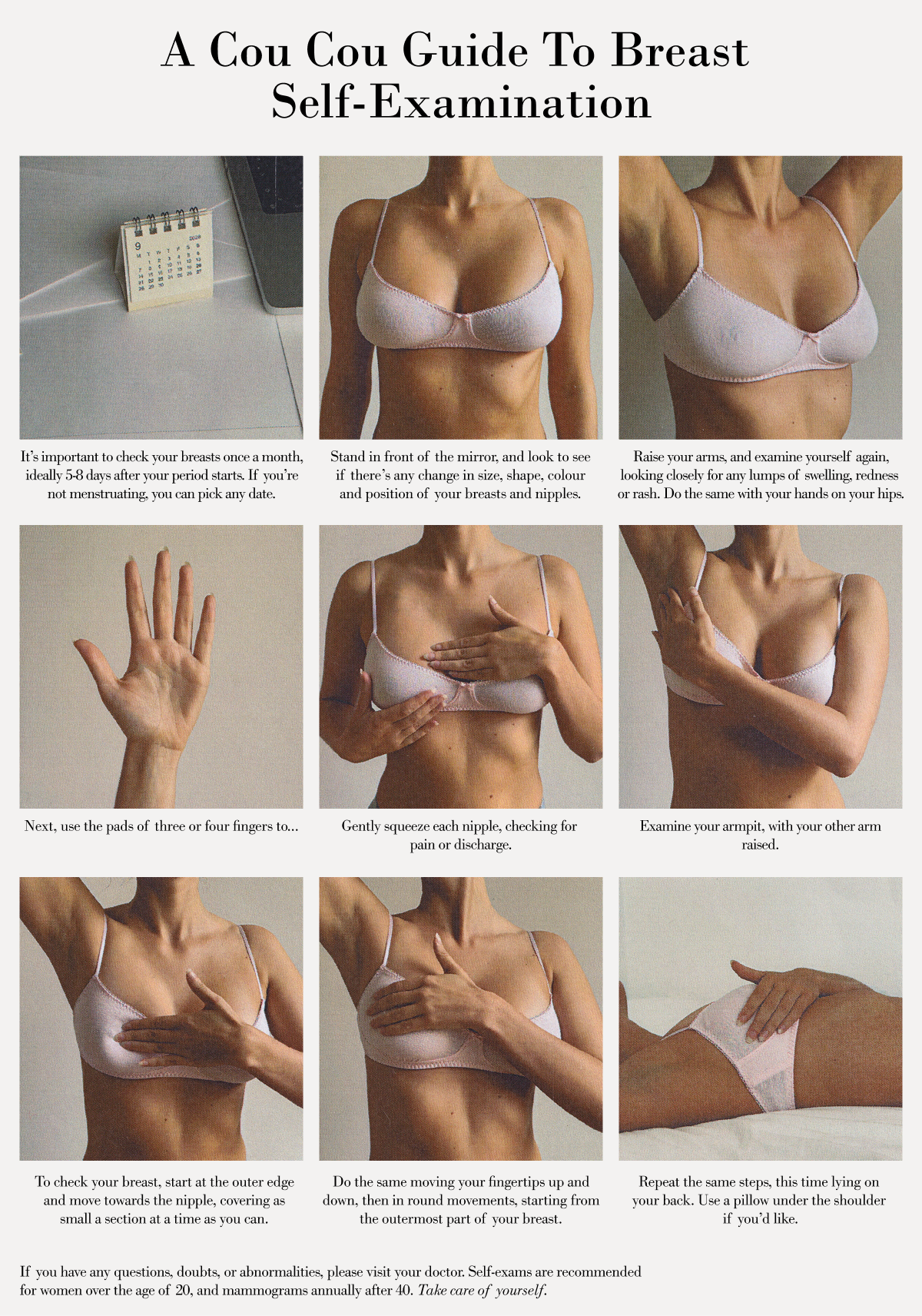
Save and share this guide to breast self-examination from Cou Cou (they design intimates from organic cotton) and check out their pink bras - 100% of profits on pink bras purchased throughout October will go towards Breast Cancer Prevention Partners, to help prevent breast cancer now and for future generations.
Reprise (they design activewear from Tencel) is partnering with Breastcancer.org on the Move Your Way challenge and shared this awesome Breast Health Playbook.
A big question I receive is where to shop for low/non-tox bras, check out my guide here, which includes brands that use natural fibers, botanical dyes, and test for harsh chemicals like BPA.