Hemp as a Non-Toxic Activewear Fabric
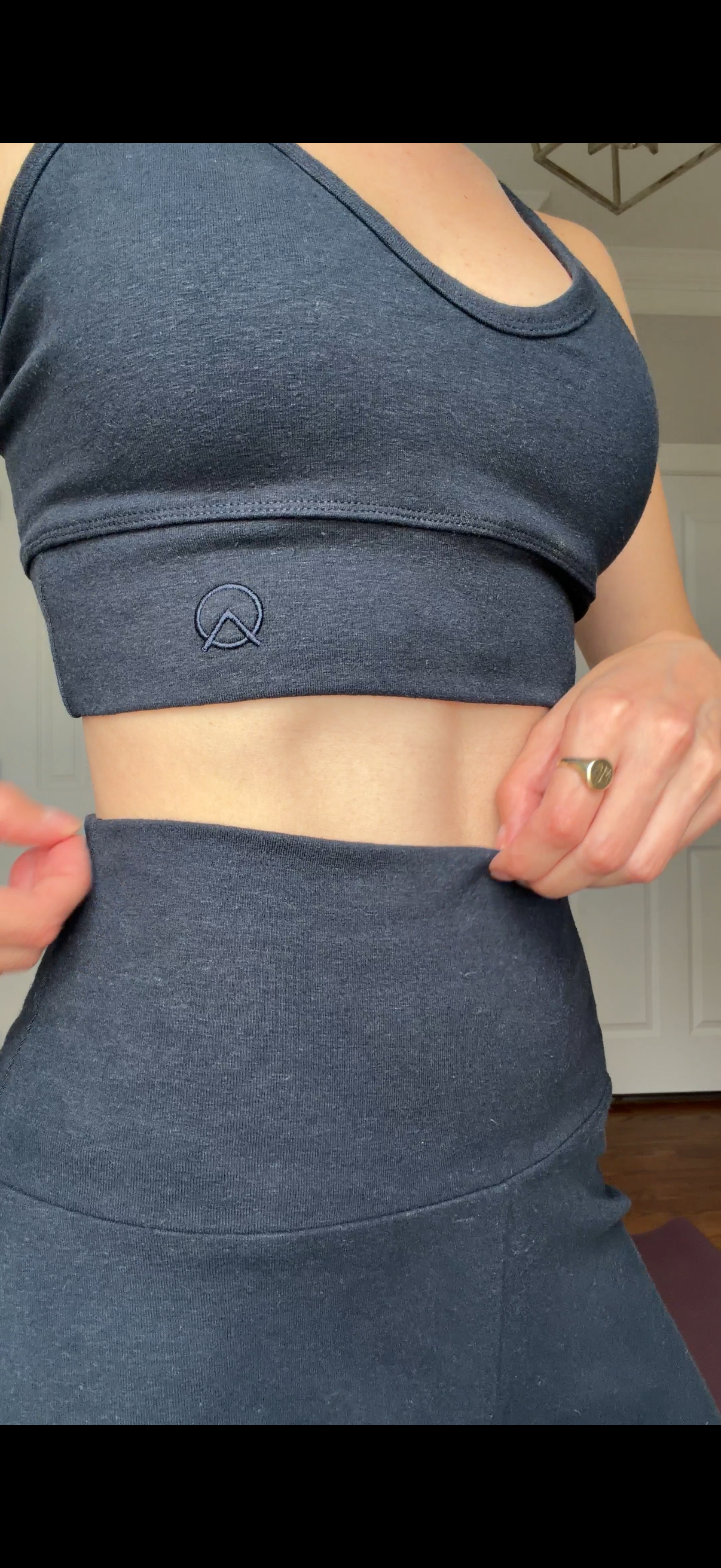
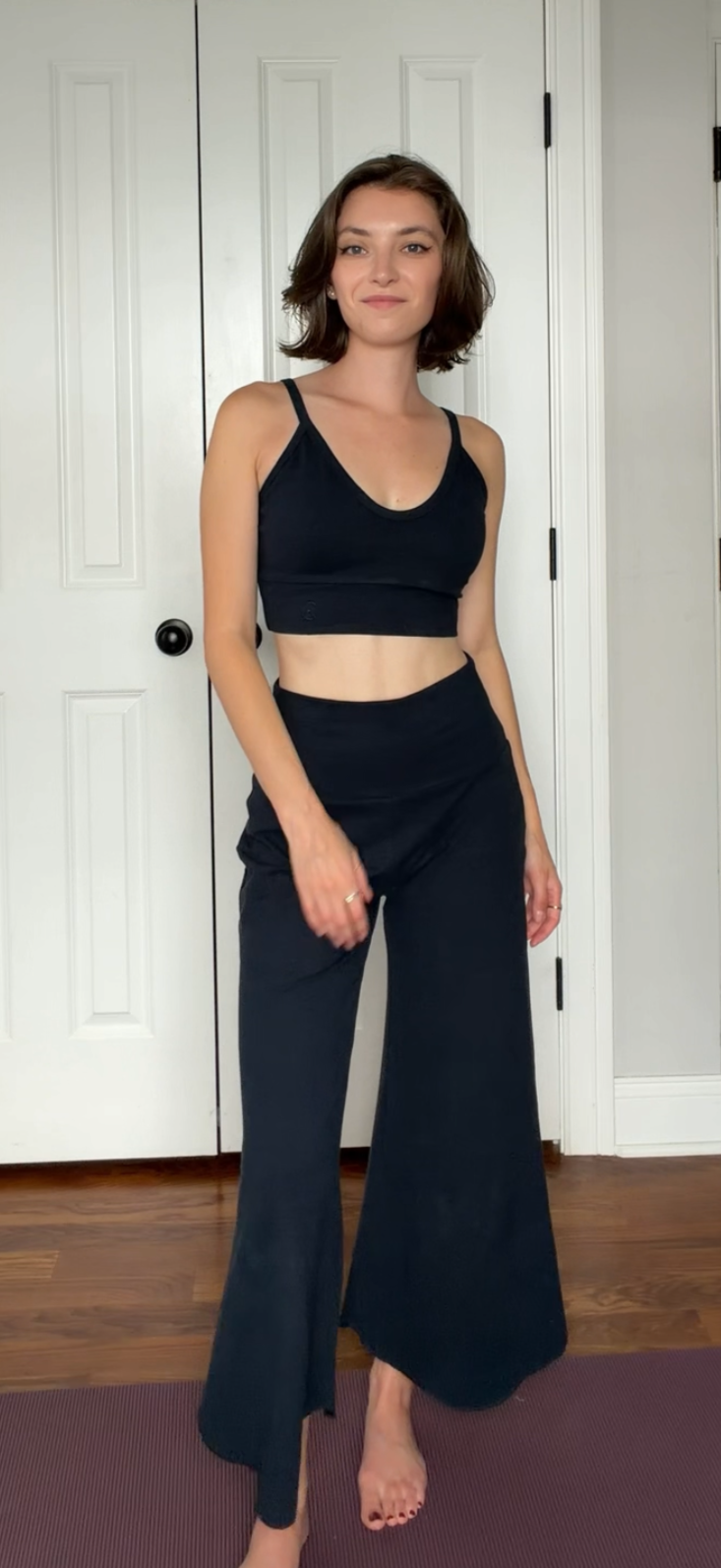
Hemp as a Natural Fiber Alternative to Synthetic Activewear
This fabric could put synthetic activewear out of business.
It’s just as durable as polyester, breathable and flexible, and resistant to bacteria, helping you to avoid the breakouts and odor you get when sweating in synthetics.
It's from a plant that was previously banned for years, giving synthetic fabrics like polyester free rein to take over. And if it hadn't been banned, we'd be wearing it more than polyester or even cotton.
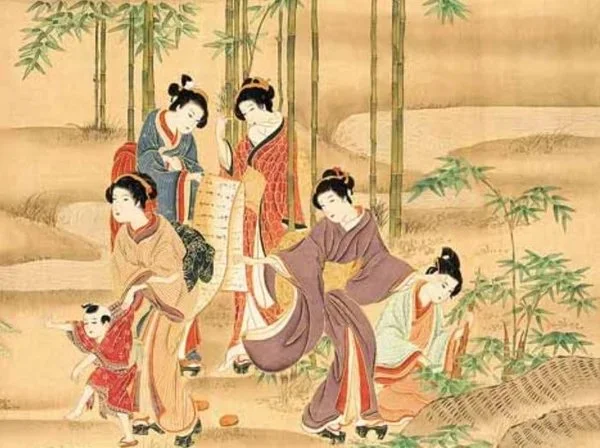
This is hemp, one of the oldest textile fibers people have used, with evidence going back roughly 10,000 years. For much of Chinese history, hemp was the everyday fabric worn.
Hemp spread west across Central Asia and into Europe, where it became especially important for heavy-duty uses: ropes, sacks, sails and sturdy workwear. So much so that governments encouraged or even required farmers to grow it.
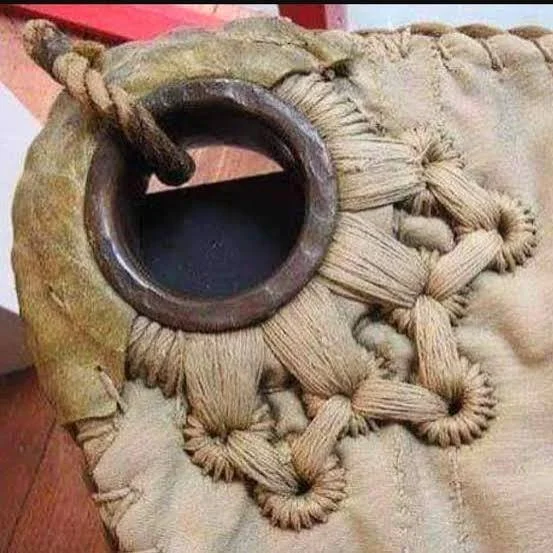
It was revered globally for its durability, and ability to regenerate soil using less water and no pesticides.
That is until the 1930s when a smear campaign in the US - which included the plastics industry - incorrectly grouped hemp with marijuana, leading to a crop ban. This along with the rise of mechanised cotton processing and synthetic fibers led to its brief downfall.
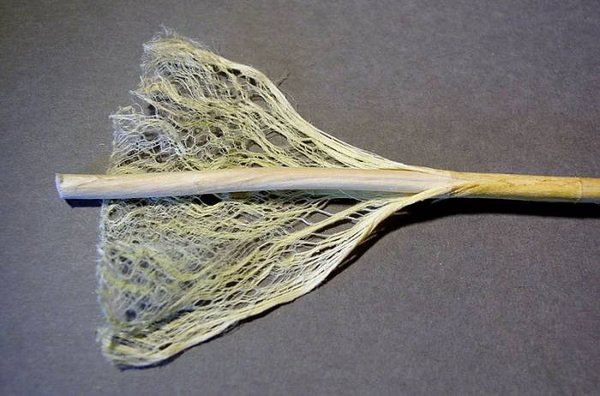
These industries knew how it can capture more carbon dioxide from the atmosphere than trees, naturally enriches soil and doesn't rely on large amounts of water or harsh chemicals to grow - and was a potent threat to their success.
Luckily, hemp is no longer banned and the global market is resurging - with its latest use as an elite fabric to workout in. It's more durable than cotton, just as breathable, and naturally resistant to odor and mold making it great for those with sensitive skin. Its ability to wick moisture and regulate temperature helps your body to stay comfortable in various climates and optimizes post-workout recovery - none of which poly can do.
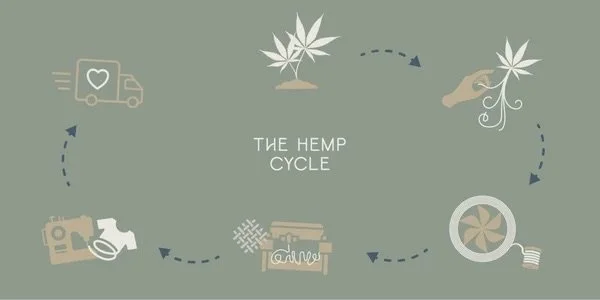
Hemp’s Durability Characteristics
Hemp fibers are long and dense, and their high percentage of cellulose along with lignin provides high tensile strength and water resistance. The crystalline structure of cellulose helps it to resist tearing and maintain structural integrity even after repeated use and washing
It has high abrasion resistance, allowing it to keep up in performance wear
The fibers get softer over time with use and washing, allowing for longevity in hemp pieces
The dense fiber structure creates a physical barrier that limits UV penetration, so UV exposure takes longer to break down the fibers
It is naturally resistant to mold and mildew, again maintaining its integrity
Where to Find Hemp Activewear
So where do you find this superhero fabric? This hemp-cotton blend set is by the brand ZONE by Lydia. It’s OEKO-TEX certified nontoxic and the cotton is GOTS certified organic, and fully traceable from farm to final packaging. The dyes used are lower impact so they are gentle on both your skin and the planet. It’s designed by an Olympic Champion so you know it will actually perform well, and it’s flattering on all body types to wear to the gym and beyond.
Get in the zone and wear hemp for your next workout - thank me later.
Use code LYDIA15 for a discount
References:
Hemp Fibre Properties and Processing Target Textile: A Review
Hemp as a potential raw material toward a sustainable world: A review: Heliyon
*This article contains branded content as developed for the brand Zone by Lydia. All references are linked for the science behind this fiber and all opinions are my own.